
Feroot CEO Tears Down a Consumer Humanoid Robot for ABC News
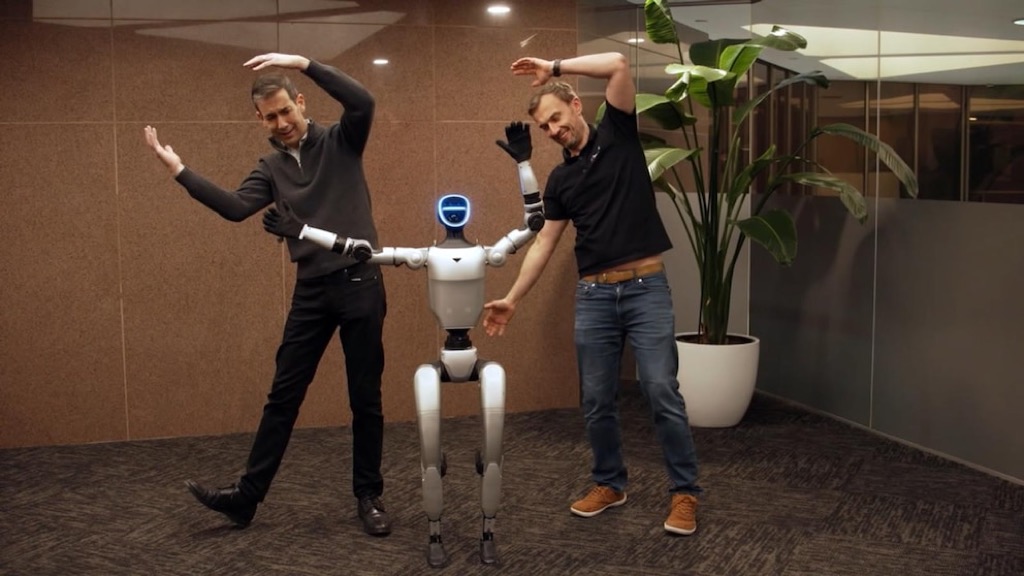
Ivan Tsarynny, CEO of Feroot Security, appeared on ABC News on May 21, 2026 for a segment examining whether humanoid robots sold to U.S. consumers pose a national security risk. Tsarynny purchased “Ed,” one of the first consumer humanoid robots on the market from Chinese manufacturer Unitree Robotics, disassembled it, and shared his technical findings exclusively with ABC News.
A Robot That Sees, Hears, and Reports Home
Tsarynny found that as the robot moves through a room, its onboard cameras and microphones continuously capture its surroundings, and that data doesn’t stay on the device. He told ABC News the robot is “sending information—what it’s seeing, what it’s recording—back to the manufacturer,” which is based in China.
Remote Control Is a Two-Way Door
Because the robot can be operated remotely, Tsarynny warned that the same channel used to control it could be hijacked by someone else. Asked point-blank whether a robot could be taken over without its owner knowing, he didn’t hedge: it can be hacked.
He extended the concern beyond a single unit sitting in someone’s living room. With humanoid robots increasingly pitched for offices, manufacturing floors, and eventually homes, Tsarynny said the same vulnerability scales with adoption—a fleet of compromised robots could be redirected to surveil the spaces they occupy.
From Surveillance to Physical Risk
Tsarynny also flagged a more physical concern: a robot capable of manipulating objects in the real world could, in principle, be directed to pick up something dangerous. He was careful not to overstate the case against the technology itself, telling ABC News that the security and privacy concerns are real—but solvable.
Unitree Stayed Quiet, Prices Keep Falling
ABC News reported that Unitree did not respond to questions about what data Ed collects or how it’s used, though Chinese law could give the government access to that data if it chose to seek it. Meanwhile, the price of humanoid robots like Ed has dropped by nearly half, to roughly $14,000, putting them within reach of a fast-growing number of American households and businesses.
Watch the full segment on ABC News →


